Why a Professional Paint Correction Service Makes a Real Difference for Your Car
I still remember the first time I ran my hand across a car I had just wet-sanded and compounded. The clear coat had been dull for years, covered in fine scratches and water spots that no amount of hand buffing could fix. After a full paint correction service, that same panel felt like glass. The difference was not just visual, it was tactile. That is the kind of result that keeps car owners coming back, and it is the reason I have spent years refining my approach to automotive paint restoration.
Paint correction is not a quick polish or a wax job. It is a methodical process that removes a thin layer of clear coat to level out imperfections. The goal is to restore depth, gloss, and clarity to the car paint. When done correctly, a paint correction service transforms the appearance of a vehicle in a way that ordinary washing and waxing never can. But it requires the right tools, the right technique, and a clear understanding of what the paint can handle.
What Paint Correction Actually Involves
Many people confuse paint correction with a simple polish. In reality, it is a multi-step process that often begins with a thorough wash and a detailing clay treatment to remove embedded contaminants. After that, the real work starts. A paint depth gauge measures the thickness of the clear coat and the underlying automotive paint. This step is not optional. Without it, you risk burning through the clear coat or, worse, damaging the color layer underneath.
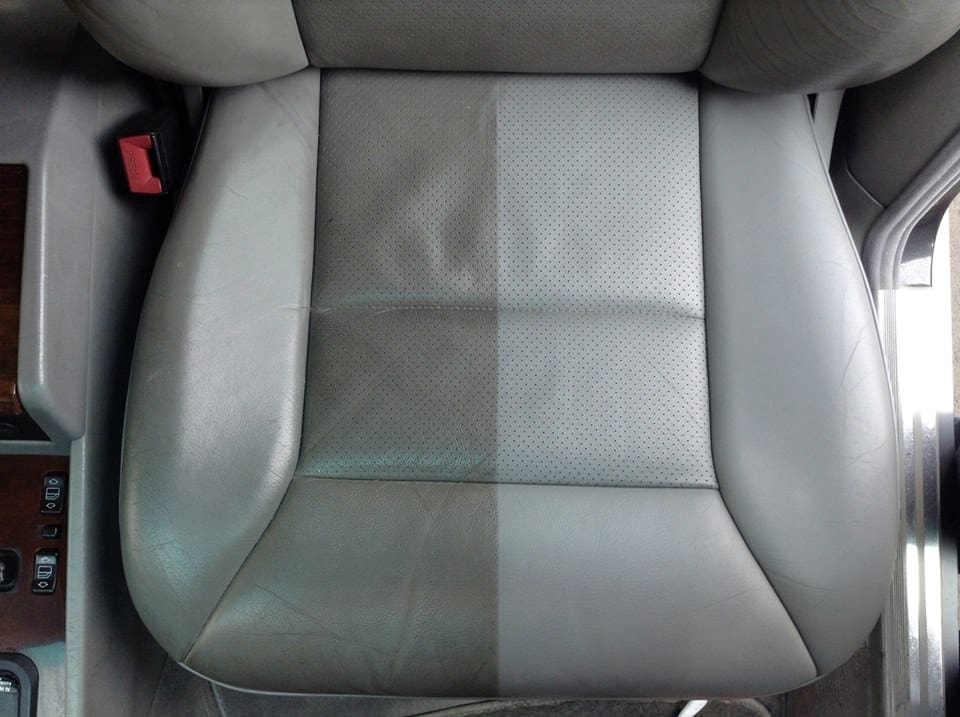
Once the depth is known, the correction begins with wet sanding or a cutting compound applied with an orbital polisher. The compound abrades the clear coat to level out scratches, oxidation, and etch marks. This is aggressive work. It requires a steady hand and a feel for how much pressure to apply. After the cutting stage, a finer polish refines the surface. The last step is often a machine polish with a soft foam pad and a microfiber towel for final buffing. Every pass matters.
Tools of the Trade
Professional paint correction relies on pro-grade tools. An orbital polisher is standard, but not all orbital polishers are the same. The speed, the orbit size, and the pad material all affect the result. I have used entry-level machines that vibrate too much and leave micro-marring. A good tool runs smooth and allows you to feel the surface. Alongside the polisher, you need a selection of pads. Cutting pads, polishing pads, and finishing pads each serve a different purpose. Using the wrong pad with a compound can create more swirls than it removes.
Microfiber towels are another critical item. Cheap towels can scratch the clear coat. I only use high-GSM microfiber towels for final wipe-downs. They pick up residue without dragging. Hand buffing with a quality microfiber towel after a polish step adds the final clarity. It is a small detail, but it matters.
Common Problems Paint Correction Fixes
Oxidation is one of the most common issues I see. Over time, UV exposure breaks down the clear coat. The paint looks chalky and loses its shine. A good paint correction service removes the oxidized layer, bringing back the original color. Water spots are another frequent problem. Hard water leaves mineral deposits that etch into the clear coat if left too long. These etchings require wet sanding or a heavy compound to level out.
Scratch removal is where paint correction really shines. Light scratches that do not reach the primer can often be completely removed. Deeper scratches may only be reduced, but the improvement is still dramatic. I have worked on cars that had key marks that were barely visible after correction. The key is patience and the right abrasive sequence.
Protecting the Investment After Correction
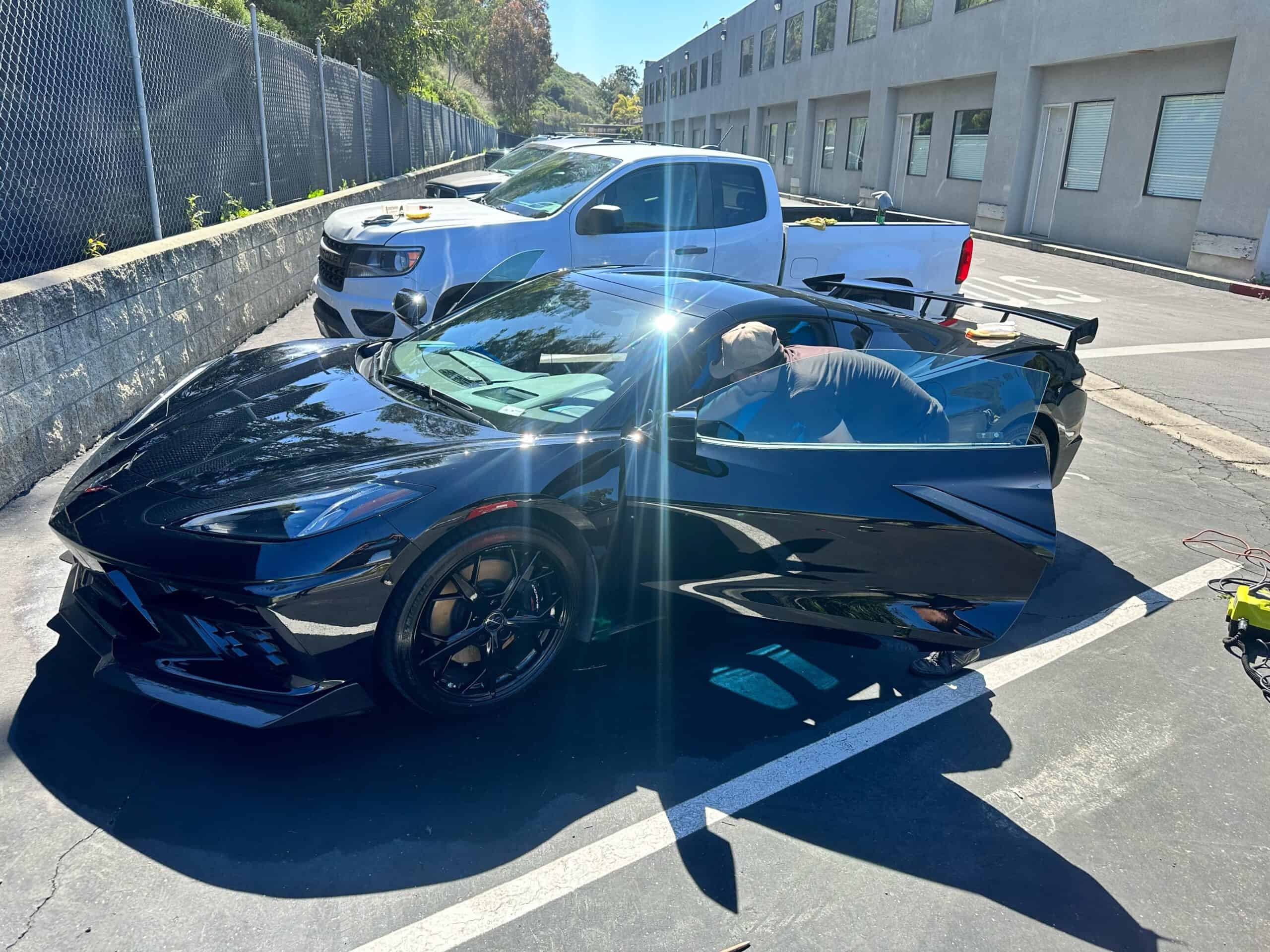
Once the paint is corrected, protecting it becomes the priority. The clear coat is thinner after correction, so it is more vulnerable. This is where a paint sealant or ceramic coating comes in. A ceramic coating bonds to the clear coat, forming a hard, hydrophobic layer. It provides UV protection and makes future cleaning easier. Dirt and water slide off instead of sticking. But ceramic coating is not a substitute for regular maintenance. It still needs proper washing with a pH-neutral soap and a microfiber towel.
I always advise clients in Chula Vista and San Diego to consider a paint sealant at minimum. The sun in Southern California is relentless. Without protection, even the best correction work will fade within a year. A ceramic coating can extend that to three or four years with proper care. The trade-off is cost and application time. Ceramic coating requires a clean, dust-free environment and precise layering. It is not a DIY product for most people.
When to Skip Paint Correction
Not every car needs a full correction. If the clear coat is already thin, further sanding can cause damage. A paint depth gauge helps make that call. Some cars have single-stage paint, especially older models, where there is no clear coat. In those cases, correction is limited to light polishing. I have turned down jobs where the risk of burning through was too high. That is the mark of a professional: knowing when to stop.
Another factor is the owner's expectations. Paint correction can remove up to 90 percent of light scratches, but it will not fix deep chips or rust. Those require touch-up paint or bodywork. I am upfront about that. No amount of compound and polish can fix what is not there.
The Real Value of a Professional Paint Correction Service
From a financial standpoint, a paint correction service adds resale value. A car with a glossy, scratch-free finish looks newer and better maintained. Buyers notice. I have seen cars sell for thousands more after a proper correction and ceramic coating. But the value is not only monetary. There is a pride that comes with driving a car that looks its best. It sounds simple, but it is true.
The process takes time. A full correction can take a day or more, depending on the size of the vehicle and the condition of the paint. It is not a service you want rushed. I have had clients ask if I could finish in two hours. The answer is no. A rush job leaves swirls and uneven gloss. The best results come from a slow, methodical approach. Each step builds on the last.
What to Look for in a Provider
When you are looking for a paint correction service, ask about their process. Do they use a paint depth gauge? Do they have experience with different types of automotive paint? Do they offer ceramic coating or paint sealant as a follow-up? A good provider will walk you through the steps and set realistic expectations. They will also show you before-and-after photos of previous work.
I also recommend checking their tool kit. Pro-grade tools and quality compounds make a difference. A provider who uses cheap pads and low-end polishers will likely leave micro-marring. The same goes for microfiber towels. If the towels are rough or leave lint, the result will be compromised. It is worth paying more for someone who invests in their equipment.
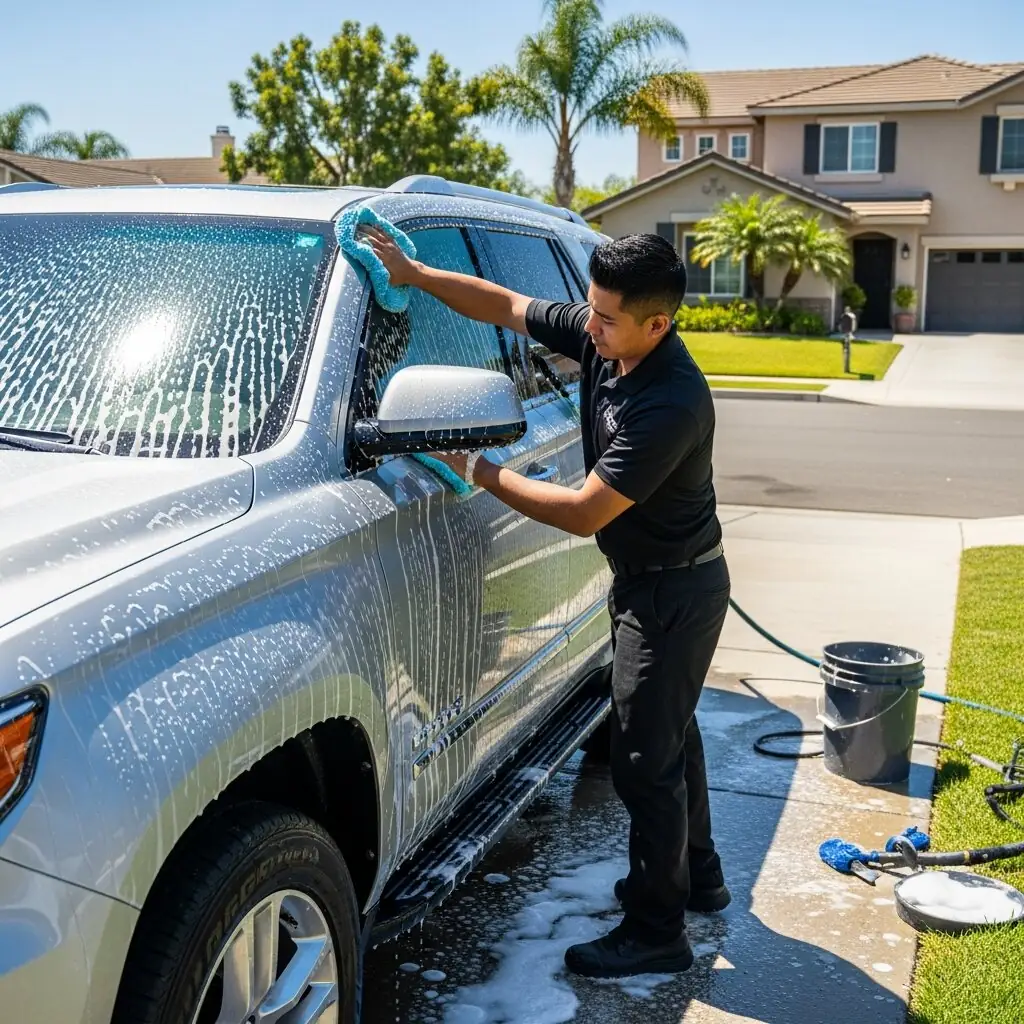
In the Chula Vista and San Diego area, the weather is a constant factor. The sun here accelerates oxidation. A car that sits outside all day will need correction more often than one kept in a garage. That is not a sales pitch, it is reality. A good paint correction service can reverse the damage, but prevention is always easier. A ceramic coating or a quality paint sealant is the best defense.
Final Thoughts
Paint correction is not a magic wand, but it is the closest thing to it for car paint that has seen better days. It requires skill, patience, and the right materials. Whether you are prepping a car for sale or just want to enjoy the shine, a professional paint correction service is worth the investment. I have seen the results firsthand, and I still get a kick out of watching someone run their hand over a corrected panel for the first time. That smoothness, that depth, that clarity, it is what makes this work satisfying.